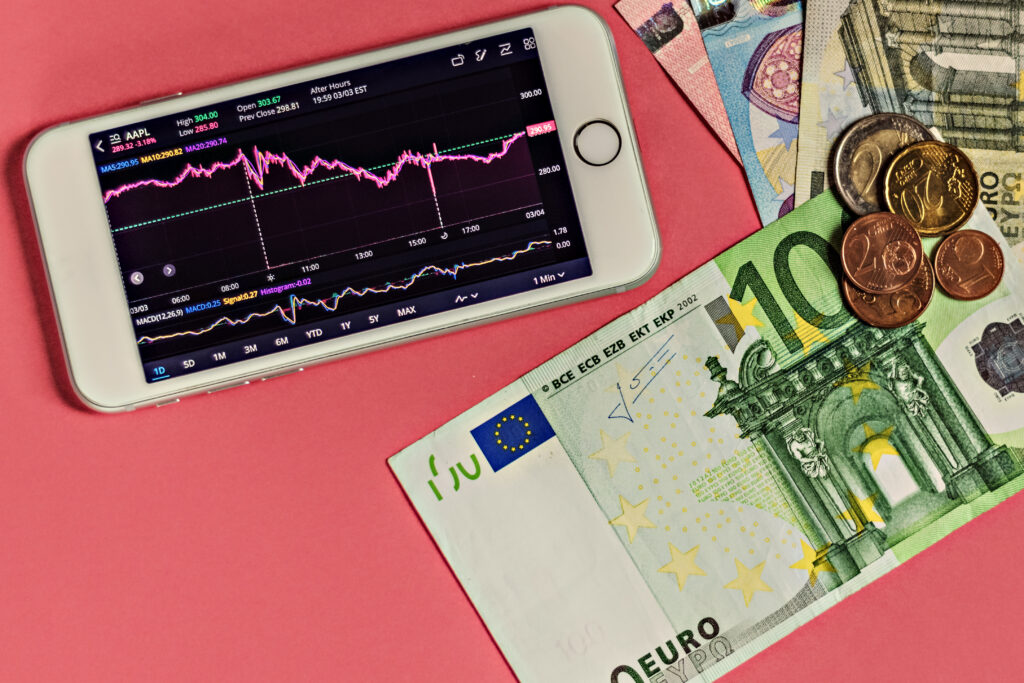
In 2026, foreign currency swaps have become one of the most practical tools for managing international funding and exchange rate risks. As global markets continue to adjust to diverging monetary policies and liquidity pressures, currency swaps are being used more widely by central banks, corporations, and institutional traders to stabilise operations and reduce risk exposure.
This mechanism isn’t new, but its relevance is stronger than ever. For anyone involved in global finance, understanding how FX swaps work and the different types of currency swaps is essential to navigating today’s volatile economic environment with confidence.
What Are Foreign Currency Swaps?
A foreign currency swap is an agreement between two parties to exchange principal and interest payments in different currencies for a set period and then reverse the exchange later at a pre-decided rate.
Simply put, it’s like two institutions lending money to each other in different currencies and agreeing to repay at the end of the term. The deal includes two parts: a spot exchange at the current rate and a forward exchange at a future rate.
For example, a U.S. company might need euros to pay suppliers, while a European bank might need dollars to manage its reserves. Instead of each borrowing in the foreign market, they agree to swap currencies temporarily—both sides meeting their needs efficiently without exposure to unpredictable market moves.

How FX Swaps Work
To understand how FX swaps work, it helps to break the process into simple steps:
- Initial Exchange (Spot Leg): The parties exchange their currencies immediately at the current market rate.
- Agreement on Forward Rate: They agree on a rate for reversing the transaction later, called the forward rate.
- Final Exchange (Forward Leg): When the contract ends, the currencies are swapped back at that predetermined rate.
This dual-leg structure allows each party to gain short-term access to a foreign currency while knowing exactly what rate will apply when reversing the swap.
For traders and treasurers, this means having predictable costs, stable cash flows, and no surprises from currency fluctuations. For institutions, it’s an effective way to manage balance sheet risk and liquidity at the same time.
Why Foreign Currency Swaps Matter in 2026
The year 2026 is shaping up to be complex for global finance. Interest rate cycles across major economies are moving in different directions. Some central banks are easing policy to support growth, while others remain cautious due to inflation risks. This divergence has widened gaps in funding costs and created new challenges for managing currency liquidity.
Foreign currency swaps are now playing a bigger role in addressing those challenges. Central banks use them to maintain stability in foreign exchange markets and provide short-term funding support during volatility. Commercial banks rely on swaps to fund operations abroad without taking on new borrowing risks. Corporations use them to hedge cash flows and protect profits from currency depreciation.
In short, FX swaps are a vital part of the financial infrastructure that keeps global trade and investment functioning smoothly in unpredictable conditions.
Difference Between Spot and Forward Leg
The difference between the spot and forward leg defines how a currency swap works.
- The spot leg is the immediate transaction where the two currencies are exchanged at the prevailing rate. It provides instant liquidity and serves as the starting point of the swap.
- The forward leg is the later exchange, where the currencies are swapped back at a predetermined rate. That forward rate is influenced by the interest rate differential between the two currencies.
This built-in structure ensures both sides know exactly what their currency exposure will look like over time. It transforms uncertain market conditions into a predictable framework, helping institutions plan more confidently.

Types of Currency Swaps
There are different types of currency swaps, each serving specific needs depending on the objectives of the participants.
1. Fixed-to-Fixed Currency Swaps
Both parties pay interest at fixed rates in their respective currencies. This type is commonly used by corporations or governments that prefer stability and predictable costs.
2. Fixed-to-Floating Currency Swaps
One side pays a fixed rate, while the other pays a floating rate based on a benchmark such as SOFR or EURIBOR. This allows for flexibility when one party expects interest rate changes but still wants currency protection.
3. Floating-to-Floating Currency Swaps
Both participants pay floating interest rates tied to their local market benchmarks. These are often used by financial institutions managing variable-rate exposures or complex funding portfolios.
4. Cross-Currency Basis Swaps
This version is used mostly by large institutions and central banks. It allows them to manage foreign currency funding or arbitrage differences between global interest rates. The “basis” refers to the additional cost or spread that reflects funding demand for one currency over another.
Each structure has its own advantages, but the goal remains the same—manage risk, maintain funding flexibility, and ensure stability across currencies.
Real-World Applications
In practice, FX swaps are used by a wide range of financial participants:
- Central banks use swap lines to share liquidity and stabilise global markets when foreign funding tightens.
- Commercial banks rely on swaps to fund overseas operations and balance foreign currency liabilities.
- Corporations use swaps to hedge against currency swings that could impact revenue or import costs.
- Traders and investors use them to take advantage of short-term rate differentials between currencies without shifting their core positions.
By combining these roles, currency swaps quietly sustain much of the financial system’s daily liquidity and cross-border activity.
Key Market Drivers in 2026
Several forces are shaping the foreign currency swap market this year:
- Interest Rate Differentials: As global rates diverge, swap pricing reflects those differences, creating opportunities for traders and challenges for borrowers.
- Dollar Demand: The U.S. dollar remains the world’s main funding currency, and continued demand keeps swap spreads elevated.
- Geopolitical Shifts: Ongoing tensions and trade policy changes are pushing firms to rebalance currency exposures more often.
- Technological Innovation: Digital trading platforms and blockchain-based settlements are making swaps faster and more transparent.
- Regulatory Adjustments: Updated derivative reporting and collateral rules are improving market safety while increasing operational costs for institutions.
These drivers are making FX swaps both more essential and more complex to manage, requiring traders to stay informed and adaptive.
Benefits of Using Foreign Currency Swaps
Foreign currency swaps offer multiple advantages for traders, investors, and corporations:
- Predictable Exchange Rates: Contracts fix the rate upfront, reducing uncertainty.
- Lower Borrowing Costs: Companies can borrow in one currency and swap to another with more favourable terms.
- Cash Flow Stability: Predictable payments make budgeting easier and safer.
- Access to Global Markets: Swaps help businesses raise funds or pay obligations in foreign currencies.
- Hedging Efficiency: Exposure to exchange rate fluctuations is minimised, allowing focus on core operations.
These benefits explain why FX swaps remain the go-to strategy for managing both liquidity and risk across international markets.
Risks and Considerations
Despite their flexibility, swaps also involve certain risks that need attention:
- Counterparty Risk: One party might default before maturity.
- Liquidity Risk: Markets may tighten, making it harder to roll over swaps.
- Interest Rate Risk: Rapid policy shifts can alter forward pricing.
- Regulatory Risk: Compliance rules are complex and evolving.
Good risk management practices, careful counterparty selection, and active monitoring of market conditions help reduce these challenges.

Final
In 2026, foreign currency swaps are more than a technical tool—they are a financial bridge connecting economies, markets, and funding systems. They give traders and institutions the ability to manage risks intelligently, ensure liquidity, and maintain predictable financial outcomes.
For investors, understanding how FX swaps work and the difference between the spot and forward legs is no longer optional—it’s fundamental knowledge in a year where global conditions remain uncertain.
As the financial landscape continues to evolve, currency swaps will remain at the heart of global stability—quietly doing the hard work of keeping capital flowing, markets stable, and traders one step ahead of volatility.
Read here to learn more about Currency Forward Meaning and Example for Forex Traders