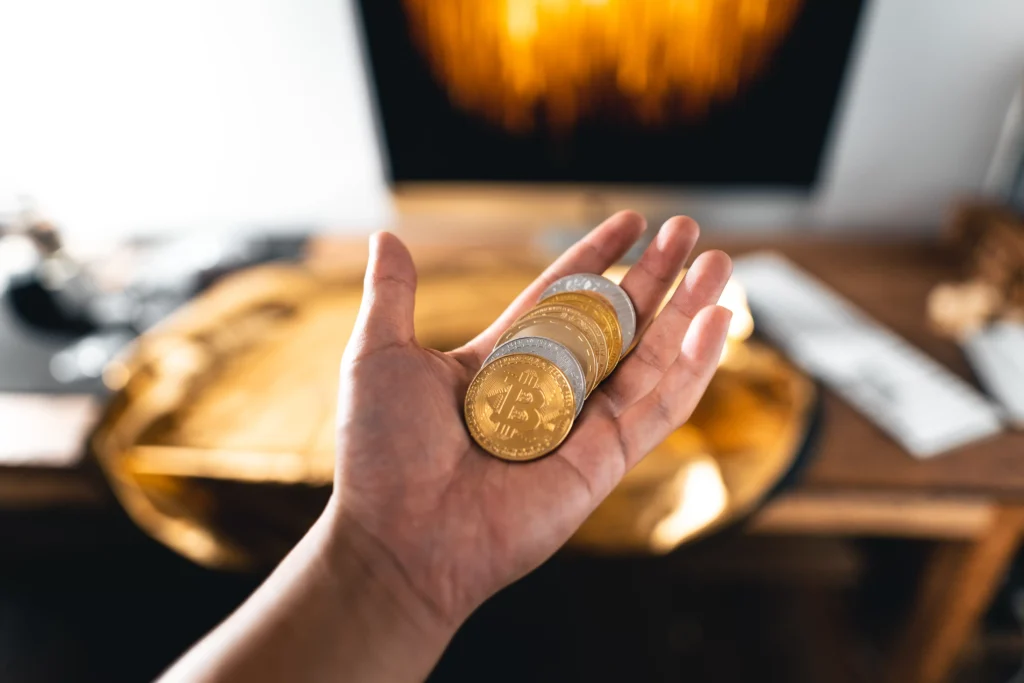
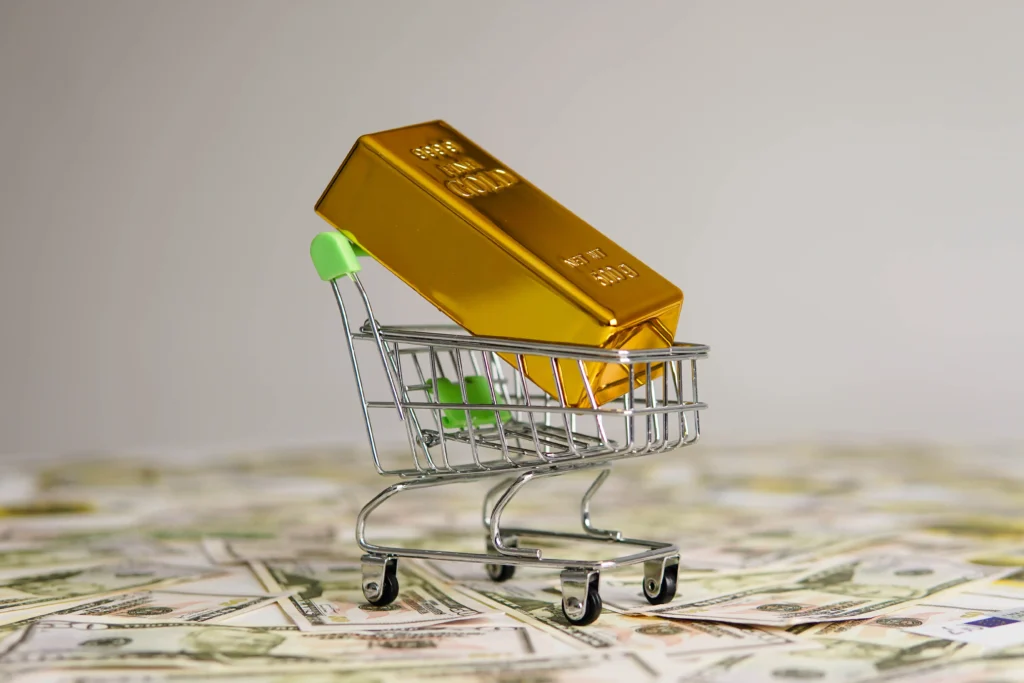
The Silver and Gold Price Forecast 2026 has become a central discussion point for investors navigating an increasingly uncertain global economy. Gold and silver are no longer viewed as fringe assets held only during crises. Instead, they are now being positioned as long-term strategic holdings that help preserve value when currencies weaken and financial systems face pressure.
Over recent years, investors have watched inflation cycles accelerate, government debt expand, and central banks struggle to balance growth with price stability. Against this backdrop, the renewed interest in precious metals feels less speculative and more structural. The current optimism surrounding the Silver and Gold Price Forecast 2026 is driven by long-term forces rather than short-term excitement.
As market participants reassess the Gold price prediction for 2026 and the Silver price outlook for 2026, attention has shifted toward understanding how sustained demand, institutional participation, and policy changes may influence prices over the coming years.
Understanding the Broader Economic Backdrop
The global economy remains fragile despite periodic recoveries. Many developed and emerging economies carry record debt burdens, while fiscal deficits continue expanding. These conditions weaken long-term confidence in fiat currencies, especially when governments rely heavily on monetary expansion to manage obligations.
Gold and silver historically perform well in such environments because they operate independently of monetary policy decisions. They cannot be printed, diluted, or devalued by political choices. This independence makes them especially attractive during prolonged uncertainty, strengthening the Silver and Gold Price Forecast 2026.
In addition, real interest rates play a critical role. When inflation-adjusted returns on bonds and savings accounts remain low, investors seek alternative stores of value. This environment supports sustained demand for precious metals and reinforces bullish expectations for the Gold price prediction for 2026 and the Silver price outlook for 2026.
You can read here : India Gold Revolution: Why Gold and Silver Trends Matter in 2026

How Global Capital Is Repositioning Toward Precious Metals
Investor behavior has evolved noticeably over the past decade. Rather than chasing rapid growth alone, many portfolios now emphasize stability, resilience, and risk management. This shift has benefited gold and silver, which offer protection during market stress.
Institutional investors, including pension funds and insurance companies, increasingly view precious metals as portfolio stabilisers. Their participation differs significantly from retail speculation. Institutional capital enters gradually, stays invested longer, and reacts slowly to short-term price movements. This behaviour supports price stability and strengthens the precious metals bull market.
As these capital flows expand, the impact on the Silver and Gold Price Forecast 2026 becomes more pronounced. Demand no longer relies solely on fear-driven buying. Instead, it reflects deliberate allocation decisions based on long-term financial planning.
India’s Pension Reform and Its Global Implications
One of the most transformative developments influencing precious metals demand is India’s decision to allow pension funds to invest in gold and silver exchange-traded funds. This reform opens a new channel of long-term institutional demand from one of the world’s most populous nations.
Pension capital behaves very differently from speculative capital. It accumulates steadily, rebalances periodically, and remains invested for decades. Even modest allocation percentages can generate enormous cumulative demand over time. This reality adds a powerful structural layer to the Silver and Gold Price Forecast 2026.
India’s cultural relationship with gold further amplifies this effect. Gold has long served as a trusted store of value across generations. As access improves through regulated pension and banking systems, participation broadens beyond traditional physical ownership. This development strengthens the Precious metals bull market at a foundational level.
Gold Price Prediction 2026 and the Changing Role of Gold
Gold’s role within the financial system has evolved significantly. Central banks continue increasing gold reserves to diversify away from currency risk. Regulatory frameworks now recognise gold as a Tier-1 asset in several regions, reinforcing its status as a monetary instrument.
These changes directly influence the gold price prediction for 2026. Gold is no longer viewed only as crisis insurance. It is increasingly treated as a core component of long-term asset allocation. As institutional confidence grows, demand becomes more consistent and less sensitive to short-term volatility.
Additionally, gold supply growth remains limited. Mining output increases slowly, while exploration costs rise. This supply constraint means that incremental demand has a meaningful impact on prices. Combined with rising institutional participation, these factors strengthen confidence in the Silver and Gold Price Forecast 2026.
Read here ; Will Gold Still Be a Safe-Haven Asset in 2030?

Silver Price Outlook 2026 and Its Dual Demand Advantage
Silver occupies a unique position among precious metals due to its dual role as both an investment asset and an industrial material. It plays a critical role in electronics, renewable energy technologies, electric vehicles, and medical applications. This combination of monetary and industrial demand provides multiple growth drivers.
As global energy transitions accelerate, industrial consumption of silver continues rising. At the same time, investment demand grows as silver gains recognition as a monetary metal. This dual demand structure enhances the Silver price outlook 2026 and differentiates silver from gold.
Because silver markets are smaller than gold markets, price movements can appear more volatile. However, this volatility often reflects sensitivity to demand shifts rather than weakness. Over the long term, sustained industrial use combined with investment accumulation supports the broader precious metals bull market.
You can read here : Silver Investment in 2025: Is It Still the Best Safe Asset?
The Importance of Technical Structure and Market Behaviour
Technical structure helps investors understand whether price moves reflect genuine demand or temporary speculation. In both gold and silver, recent chart behavior suggests steady accumulation rather than distribution. Prices have moved higher despite short-term pauses, which usually signals that buyers remain active beneath the surface.
Instead of sharp breakdowns after rallies, the market has shown controlled pullbacks followed by renewed buying interest. This pattern often appears when long-term participants continue adding exposure, even as short-term traders take profits. Such behavior strengthens confidence in the broader Silver and Gold Price Forecast 2026.
Key technical behaviors supporting this view include:
- Repeated pullbacks finding support at higher price levels
- Buyers stepping in quickly after short-term weakness
- Breakouts holding above previous resistance zones
- Momentum slowing without turning decisively negative
Together, these signals suggest that volatility reflects healthy consolidation rather than trend exhaustion.
How Market Corrections Reinforce Long-Term Strength
Corrections are unavoidable in any market that moves higher over time. In precious metals, these periods often serve a constructive purpose by resetting sentiment and reducing excessive positioning. Rather than breaking the trend, pullbacks tend to prepare the market for the next advance.
For gold and silver, corrections have increasingly acted as accumulation zones. Long-term investors often wait for these moments to build positions aligned with fundamentals rather than chasing price strength. This behavior adds depth to demand and reinforces the Silver and Gold Price Forecast 2026.
From a practical perspective, corrections help the market by:
- Removing short-term speculative excess
- Creating more balanced positioning
- Allowing institutional buyers to enter gradually
- Strengthening support levels for future advances
This process makes the overall trend more stable and sustainable.
Institutional Capital and Long-Term Stability
Institutional participation plays a central role in shaping modern Gold and silver investment trends. Pension funds, sovereign wealth funds, and large asset managers approach markets with a focus on capital preservation, liquidity management, and long-term stability. When these institutions allocate to precious metals, they do so deliberately and gradually.
Unlike short-term traders, institutional investors rarely react to daily price fluctuations. Their allocations tend to remain in place across market cycles, which creates consistent demand and supports long-term price floors. As regulatory frameworks expand access to precious metals globally, institutional participation continues increasing.
Key characteristics of institutional capital in precious metals include:
- Long holding periods rather than frequent trading
- Gradual accumulation instead of sudden large purchases
- Limited reaction to short-term volatility
- Emphasis on portfolio stability over quick returns
This behavior enhances the credibility of the Silver and Gold Price Forecast 2026, as prices become driven more by structure than sentiment.
Gold and Silver Investment Trends in Modern Portfolios
Modern portfolio construction increasingly favors assets with proven resilience. Instead of spreading capital thinly across many instruments, investors focus on meaningful exposure to assets that perform well across economic cycles. Gold and silver naturally fit this approach due to their historical reliability.
Gold primarily serves as a stabilizing asset that protects purchasing power during inflationary and uncertain periods. Silver adds a growth dimension because of its industrial applications and sensitivity to economic expansion. Together, they offer balance within long-term portfolios.
Current Gold and silver investment trends highlight several common allocation themes:
- Gold used as a long-term store of value
- Silver added for growth and diversification benefits
- Increased use of ETFs for accessibility and liquidity
- Greater acceptance of precious metals in mainstream portfolios
These trends point toward sustained interest rather than temporary enthusiasm.
Why Volatility Strengthens Long-Term Confidence
Volatility often creates discomfort for less experienced investors, yet it plays a vital role in maintaining healthy markets. In precious metals, volatility has increasingly attracted buyers instead of triggering panic selling. This response reflects growing confidence in long-term value.
Shallow and short-lived pullbacks suggest that strong underlying demand remains active. Buyers appear willing to step in quickly when prices dip, limiting downside moves. This behavior supports the broader Precious metals bull market and reinforces bullish expectations for both Gold price prediction 2026 and Silver price outlook 2026.
From a long-term perspective, volatility helps by:
- Providing better entry points for disciplined investors
- Preventing unsustainable price acceleration
- Encouraging patient capital over speculative behavior
- Strengthening market structure through consolidation
For investors with a long-term view, volatility becomes part of the opportunity rather than a reason for concern.

Final Thoughts on Silver and Gold Price Forecast 2026
The Silver and Gold Price Forecast 2026 is built on more than optimism. It reflects structural demand, institutional participation, cultural factors, and global economic realities. Gold and silver continue evolving from defensive hedges into essential components of long-term financial planning.
As pension reforms, central bank strategies, and investor behaviour continue shifting, precious metals remain positioned for sustained relevance. While short-term price swings are inevitable, the broader trajectory points toward resilience and long-term strength.
For investors seeking stability, protection, and strategic growth, the outlook for gold and silver in 2026 remains firmly constructive.
Read here to learn more about “Fed Rate Impact on Metals: Clear Signals Every Trader Watches“