Introduction: The New Logic of Market Volatility
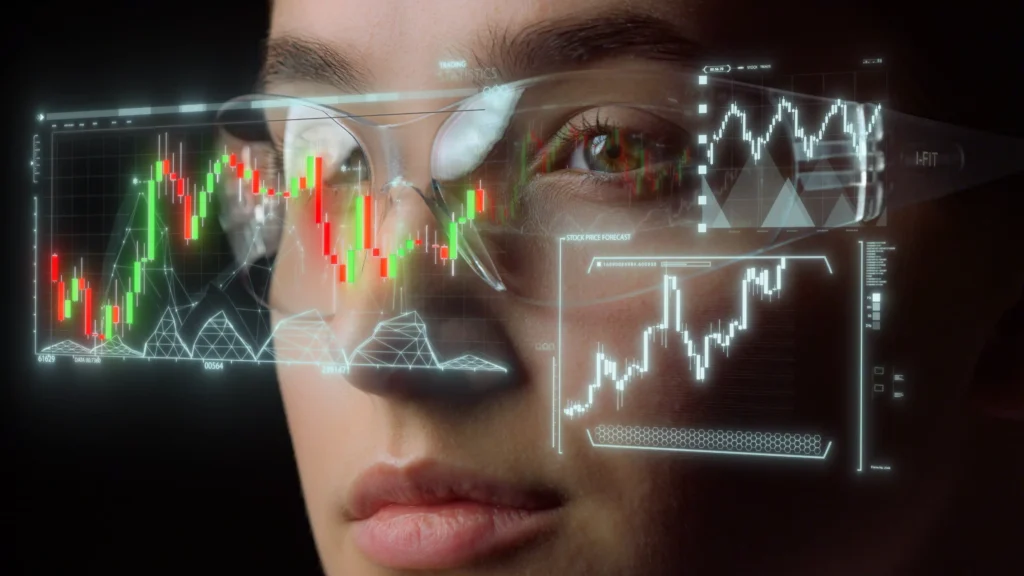
In 2026, financial markets operate through automation and predictive data. Artificial intelligence in trading has evolved from a supporting tool into a decision-making engine that interprets global signals faster than humans. Algorithms now control the majority of trading activity, analysing macroeconomic releases, central bank statements, and even social sentiment to adjust prices instantly.
This shift has redefined what volatility means. Traditional swings driven by emotion and delayed reaction are being replaced by algorithmic patterns that move in seconds. As a result, price discovery is faster, but reactions are sharper. Traders now face markets that are efficient yet unpredictable, stable yet instantly reactive.
The connection between AI and market volatility highlights a new reality: data interpretation, not emotion, drives modern price movement.

From Reaction to Prediction: How AI Shapes Volatility
Before AI, volatility was reactive. News triggered human responses, and markets adjusted over time. Now, AI systems forecast outcomes before data becomes public. These models rely on predictive analytics in finance to identify relationships between global indicators such as inflation, bond yields, and employment levels.
When early signals of change appear, AI models start repricing assets. They anticipate reactions instead of waiting for confirmation. This has made short-term volatility bursts more intense but shorter in duration. Instead of large daily swings, markets experience compact, data-driven spikes.
This evolution defines algorithmic volatility: rapid, machine-driven reactions created by networks of trading algorithms interpreting the same information simultaneously. These patterns are not emotional; they are mathematical, adaptive, and self-correcting.
The New Shape of Price Patterns in 2026
Traditional chart patterns have become less reliable because AI adapts faster than human analysis. Price structures evolve continuously, making markets more fluid.
Adaptive Market Behaviour
Machine learning in markets has made patterns temporary. Once a setup becomes predictable, AI adjusts its logic to remove inefficiencies. Traders must now look at behavioural data rather than historical repetition. Volatility clusters, correlation models, and liquidity depth have replaced static trendlines as key decision tools.
Micro Volatility Events
AI trading systems generate micro movements within seconds. These short-lived bursts occur when multiple algorithms detect the same data signal. Prices shift rapidly, then return to equilibrium. For traders, recognising these short windows is vital for risk management and execution timing.
High Data Sensitivity
Modern prices react to very small information changes. A sentence in a central bank speech, a supply-chain update, or a shift in energy output can spark measurable volatility. Algorithms interpret these signals as probability indicators and adjust portfolios immediately.
The takeaway is clear: price patterns no longer rely on repetition but on adaptability.
AI Influence Across Global Financial Markets
AI now affects every major asset class, influencing how volatility forms and how traders interpret it.
Equity Markets
In stock trading, AI and market volatility are most visible during earnings seasons and data releases. Machine systems analyse company reports, sentiment, and management tone from transcripts. These models generate valuations faster than humans can react, creating sudden price spikes that stabilise once algorithms rebalance.
Market-making bots also monitor liquidity in real time, leading to sharper intraday volatility, especially in technology and small-cap stocks where algorithmic activity is highest. AI has made price discovery faster but market behaviour more complex.
Forex and Commodity Markets
In currency and commodity trading, Artificial Intelligence in trading 2026 has redefined how macro data is processed. Algorithms constantly track CPI, PPI, interest rates, and geopolitical sentiment. During high-impact events like Non-Farm Payrolls or OPEC announcements, AI systems execute thousands of trades in milliseconds, magnifying short bursts of volatility.
Over time, AI also stabilises prices by smoothing order flow once risk normalises. In commodities, predictive analytics in finance now integrate logistics, weather, and industrial output to forecast demand more accurately. Traders use these AI forecasts to manage exposure in oil, gold, and agricultural assets.
Bond and Derivative Markets
Fixed-income trading has become data-centric. AI models study yield curves, credit spreads, and central bank tone to anticipate policy moves. Even subtle hints in policy statements can shift bond yields instantly.
In derivatives, algorithmic volatility models calculate implied volatility in real time. These tools make options pricing more accurate but also more sensitive to sudden news. Opportunities that once lasted hours can now vanish in seconds, forcing traders to adapt faster than ever before.

Analyst Insights: The Balance Between Efficiency and Fragility
Market analysts describe 2026 as a paradoxical year of efficiency and instability. AI systems have improved liquidity and reduced spreads, but they have also made reactions unpredictable.
Reports from Bloomberg Intelligence and Refinitiv show that average volatility has declined since 2024, yet price movements happen 50% faster. When one AI system reacts, others follow, amplifying the move. This creates a feedback loop where prices adjust rapidly and then stabilise just as quickly.
Traders who understand this rhythm – when to enter and when to pause – benefit most. Those relying on outdated, slow models often find themselves reacting too late.
AI has created a market that rewards timing and precision over speculation.
How Traders Are Adjusting to AI Volatility
Using Machine-Generated Forecasts
Traders increasingly use AI-based sentiment tools and volatility maps to forecast price movement. These tools analyse historical and real-time data simultaneously, offering a clearer view of upcoming stress points in the market.
Multiple Timeframe Strategies
Because volatility shifts faster, traders diversify across timeframes. Scalping, swing trading, and position trading coexist within portfolios to balance reaction speed and depth. This layered approach helps manage algorithmic volatility more effectively.
Human Oversight and Judgement
Even in a data-driven market, human judgement remains essential. Machines interpret signals but cannot assess context. Political events, natural disasters, or unexpected policy moves still require human evaluation. The best trading systems in 2026 combine AI precision with human adaptability, forming hybrid strategies that merge emotionless analysis with experience.
Regulation and Ethical Oversight
As automation deepens, regulators are enforcing transparency in algorithmic operations. The push for Explainable AI (XAI) ensures that trading systems can explain why they made specific decisions. This builds accountability and reduces the risk of coordinated volatility events.
Global regulators are also enhancing real-time surveillance to prevent flash crashes. While these safeguards make markets safer, they highlight the need for balance between automation and human supervision.
The next phase of AI and market volatility will depend on regulatory cooperation to ensure that speed does not compromise stability.
The Future of AI and Market Volatility
By 2026, artificial intelligence has become the structure behind market behaviour. It drives liquidity, processes sentiment, and determines how fast markets react. Volatility is no longer random; it is algorithmic, measurable, and self-adjusting.
Future systems may integrate more advanced machine learning in markets, where predictive models forecast volatility days ahead using global data correlation. Traders who can understand these forecasts will control the rhythm of price movement rather than simply follow it.
AI is not eliminating human traders but redefining their role. Strategy, interpretation, and foresight now matter more than speed.

Conclusion: The Human Edge in an AI-Driven Market
AI has changed everything about how volatility forms and fades. It has made markets smarter, faster, and more sensitive to information. The relationship between AI and market volatility defines the modern financial landscape – one where milliseconds decide profits and losses.
To succeed in 2026, traders must integrate AI analytics into their process while maintaining human intuition. Understanding predictive algorithms, adjusting to data sensitivity, and mastering adaptive risk control are now the hallmarks of successful trading.
Artificial intelligence has not removed uncertainty from markets. It has simply made it more intelligent.
Read here to learn more about What Is Producer Price Index (PPI) and Why It Matters in 2026